

In today’s hyper-competitive market, where thousands of products flood store shelves and e-commerce platforms daily, brands are constantly seeking innovative ways to stand out. Packaging, price, quality, and functionality are crucial—but there’s another, often underestimated, sensory element that plays a vital role in creating brand identity and enhancing customer loyalty—fragrance.
Fragrance has evolved beyond being just a pleasant afterthought. It is now a strategic tool used by businesses across industries to establish emotional connections, enhance product perception, and create memorable brand experiences. From cosmetics and personal care products to household goods, automobiles, hospitality, and even retail spaces, the power of scent in product differentiation is undeniable.
Our sense of smell is directly linked to the limbic system—the part of the brain responsible for emotions, memory, and behavior. This explains why a specific fragrance can instantly transport you to a cherished memory or evoke feelings of comfort, excitement, or luxury.
Brands that harness this psychological impact create not just products, but experiences. In doing so, they tap into emotional branding, which fosters customer loyalty and improves perceived product value.
1. Personal Care & Cosmetics Industry
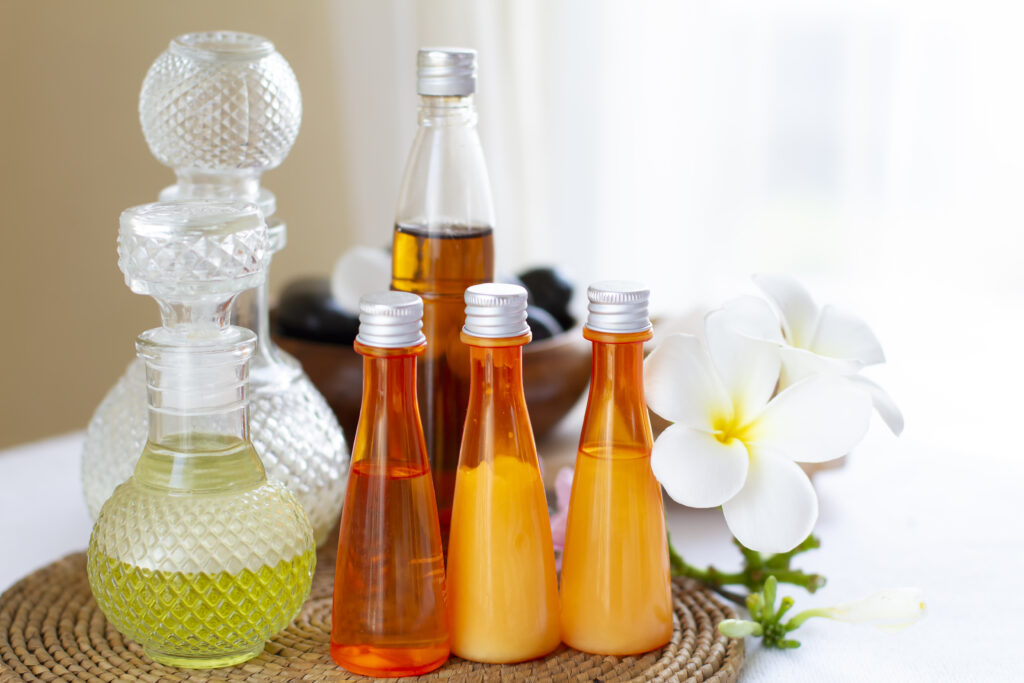
The most obvious and prominent use of fragrance is in perfumes, deodorants, lotions, soaps, and shampoos. However, it’s not just about masking odors—it’s about shaping perception.
A body lotion with a subtle lavender scent may be perceived as calming, while a citrus-infused face wash suggests energy and freshness. In a market flooded with options, fragrance becomes the sensory signature that sets a product apart.
2. Household & Cleaning Products
Would you choose a floor cleaner that leaves behind a medicinal smell over one that fills your home with a fresh, floral fragrance? Most likely not.
The fragrance of household products like detergents, floor cleaners, air fresheners, and dishwashing liquids significantly influences purchasing decisions. Consumers associate a pleasant scent with cleanliness and effectiveness, making fragrance a key differentiator in this industry.
3. Food & Beverage Industry
Though taste is king, aroma often seals the deal. Coffee, tea, confectionery items, and even packaged foods often leverage aroma to entice buyers. The comforting smell of freshly baked bread or the rich, roasted scent of premium coffee beans adds tremendous value to the product.
Fragrance in food packaging or during product interaction triggers cravings and enhances the overall consumer experience.
LSI Keywords: food aroma, scent in food packaging, fragrance in F&B branding.
4. Automotive Industry
The “new car smell” is not a happy accident—it’s a meticulously engineered fragrance designed to evoke feelings of freshness, luxury, and excitement.
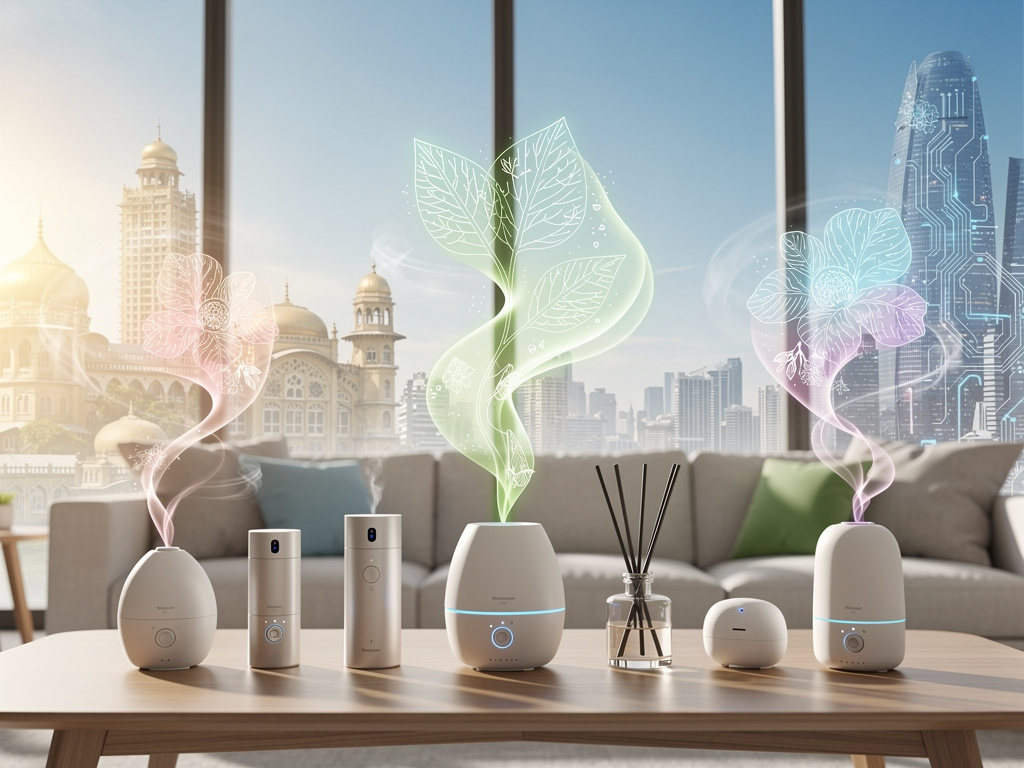
Automotive brands understand that the sensory experience extends beyond performance. From luxury sedans to economy vehicles, scent diffusers and custom fragrances play a significant role in enhancing brand perception and customer satisfaction.
5. Retail & Hospitality Environments
Ever walked into a luxury hotel and been enveloped by a subtle, relaxing fragrance? That’s ambient scent marketing in action.
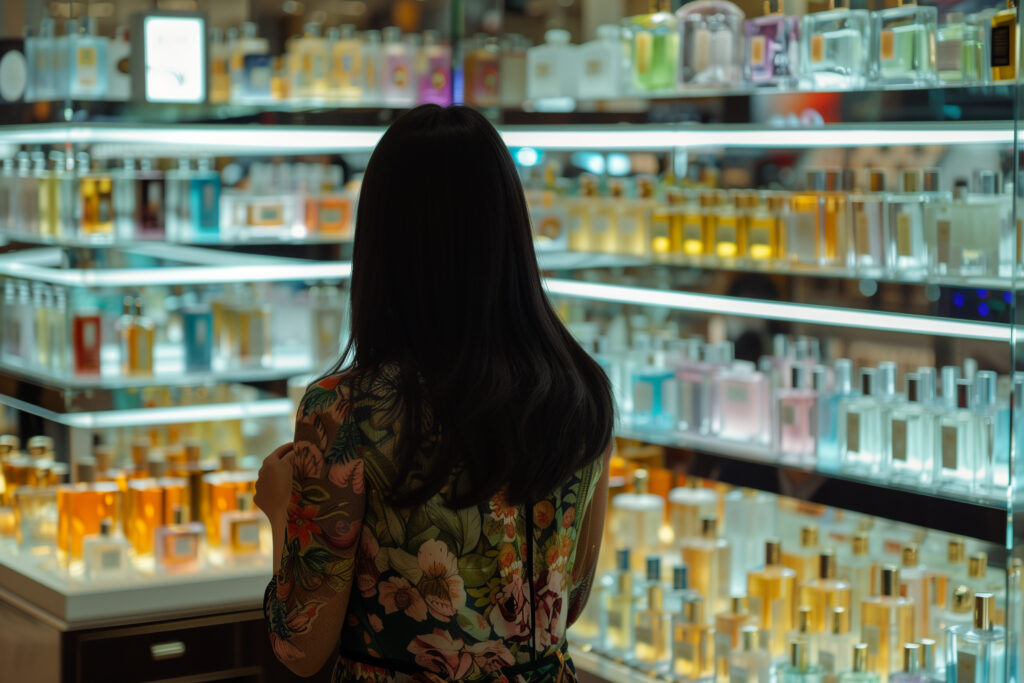
Hotels, retail stores, spas, and even gyms use signature scents to create inviting atmospheres, increase dwell time, and influence purchasing behavior. Research shows that a pleasant-smelling environment improves customer satisfaction and boosts sales.
Incorporating fragrance into a product or environment isn’t just about masking odors—it’s about crafting a unique brand identity. When done right, fragrance:
Brands like Abercrombie & Fitch, Rolls-Royce, and Ritz-Carlton have leveraged signature scents to deepen customer loyalty and create distinctive brand experiences that customers associate exclusively with them.
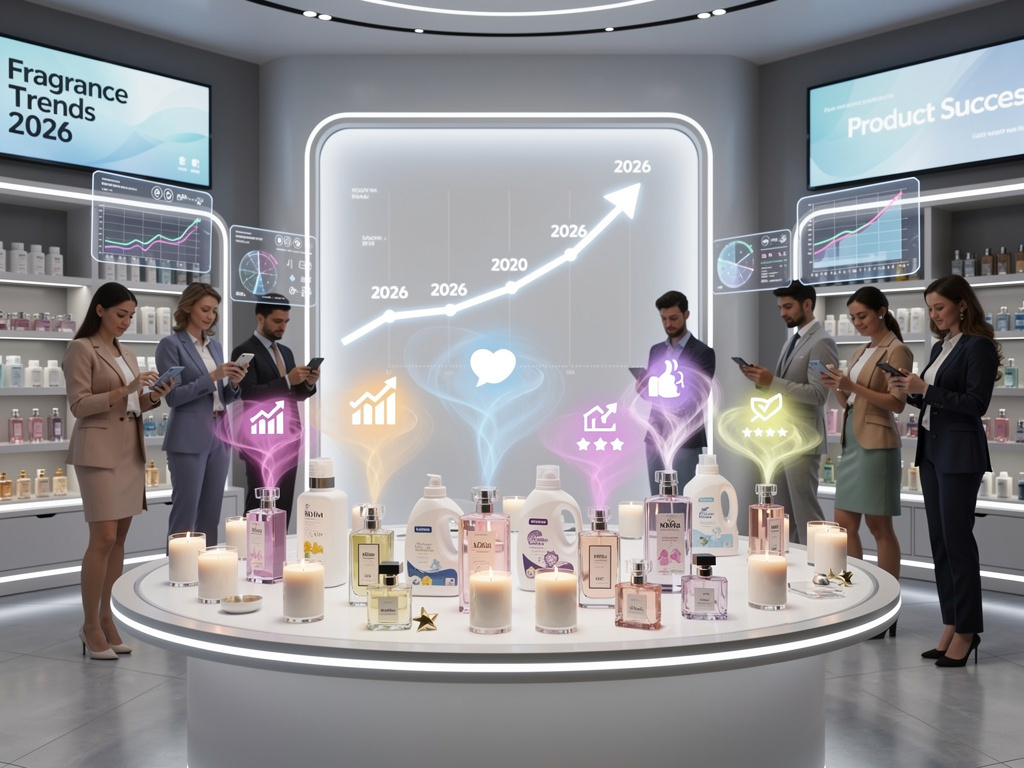
As industries evolve, so do fragrance trends. Here’s what forward-thinking brands are focusing on:
In an age where product differentiation defines brand success, fragrance has emerged as a silent yet powerful player. Whether it’s enhancing a consumer’s first impression, creating lasting emotional connections, or boosting product desirability, fragrance has the potential to elevate your brand above the noise.
If you’re ready to leverage the power of fragrance to set your product apart, we’re here to help. At New Barouliya, we specialize in crafting unique, high-quality fragrances tailored to your brand’s identity and customer preferences.
With years of expertise in fragrance creation, we work closely with businesses across industries—be it personal care, household, automotive, or hospitality—to deliver scents that leave a lasting impression.
For any fragrance development requirements, feel free to get in touch with our team:
📞 +91 9324114613 / +91 8291917103
📧 info@newbarouliya.com / newbarouliya@gmail.com
Popular Searches:
Copyright © 2023 New Barouliya Aromatics Co—Leading Industrial Fragrance Manufacturers, India. | Powered By S2H Digital
